
 News & Events
KEES celebrates National Salvation Army Week, we are honored to spotlight leaders whose work continues to strengthen communities and change lives. One such leader is Homer Smith, Regional Director of Development of The Salvation Army Southwest Division, whose 11-year tenure with The Salvation Army reflects a deep commitment to faith, relationships, and mission-driven impact.
From meaningful donor connections to transformative capital campaigns, Homer’s journey highlights the heart of fundraising and the evolving role of philanthropy in creating long-term solutions for individuals and families.
For Homer Smith, The Salvation Army has always been personal. Raised in The Salvation Army church, he played in the band, attended services with his family, and later served as an officer alongside his wife in Indiana, Michigan, and Illinois. After a 20-year career pivot, returning to the organization felt like a full-circle moment.
“I’ve known The Salvation Army all my life,” he shared. “Coming back allowed me to focus on the good The Army does every day while bringing my faith experience into a new leadership role.”
Over the past decade, Homer’s focus has deepened around social services and long-term solutions, including vocational training, financial literacy, housing support, and pathways toward self-sufficiency.
The Power of Relationships
One of the most meaningful parts of Homer’s career comes from relationships with donors like Art and Naomi, whom he met when they were in their late eighties. The relationship grew far beyond philanthropy when Art and Naomi’s family invited Homer and his wife to attend the couples’ 75th wedding anniversary party (pictured). A few years later, Homer was asked to conduct the funeral service for Naomi and subsequently participate in the funeral service for Art.
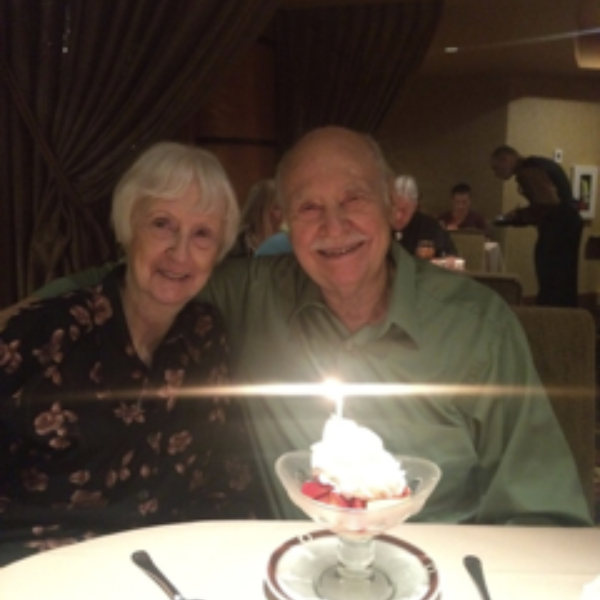
“That relationship was one of the highlights of my time here,” he reflected. “To pray, to serve them, and walk alongside their family meant so much. This experience captured the essence of my evolution over the last decade as a professional fundraiser.” Today, Homer continues to focus on helping people at their point of need, whether it is the clients served by The Salvation Army or the donors who make it possible.
Their daughter remains in touch today, a lasting reminder of the depth of those connections.
Moments That Reinforce the Mission
Several donor experiences have stayed with him. One involved a skeptical retired donor named Bill who, after learning more about The Salvation Army’s addiction recovery work, made a significant gift to a women’s shelter project. During a tour, Bill quietly sat in the lobby, looked around, and began to weep, moved by how his gift would help others to overcome their addictions.
“That moment reminded me exactly why this work matters,” Homer said.
Another highlight has been a nearly 10-million-dollar capital campaign for a new family services center, which ultimately grew far beyond expectations even during the uncertainty of the pandemic. A key part of that success came through an unexpected and deeply meaningful relationship with a donor who lives a very simple life but has an exceptionally generous heart. Her quiet, consistent giving and extraordinary trust in the mission have helped bring the campaign almost to the finish line. Looking ahead, Homer is especially excited about expanding programs that support long-term self-sufficiency, including vocational training for families experiencing or at risk of homelessness.
Advice for Future Fundraisers
Homer offers two key lessons for those entering mission-driven development work.
- • First, stay close to the people being served. “You have to keep seeing the people behind the mission,” he said.
- • Second, trust the process. “Do the work faithfully and do not get consumed by results,” he advised. “Meaningful impact takes time.”
- • He also encourages professionals to stay in roles long enough to see lasting impact take shape.
Faith at the Center
Homer credits mentors who shaped his approach to development work, including Danny Lacey, who taught him to prioritize seeing donors as people first, and Geoff Gephart, who helped him grow in confidence as a fundraiser.
He also reflected on meeting Heather Eddy of KEES in the Detroit airport, a conversation that ultimately led to his current role. “I had no idea what that meeting would become,” he said. “I am incredibly grateful for her support and advocacy. It was an opportunity and a blessing.”
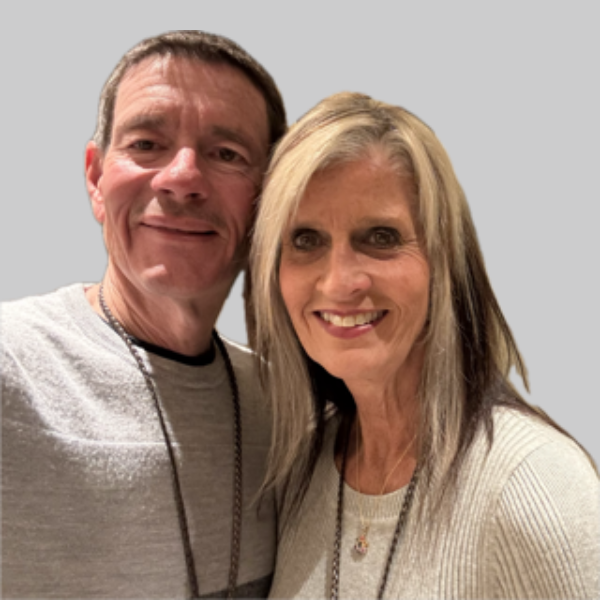
At the heart of his leadership is faith, both for Homer and his wife, Robin (pictured).
“As a follower of Jesus, my faith is foundational to me,” he shared. “It is a blessing to encourage others, support donors, and help people through meaningful moments.”
As KEES honors National Salvation Army Week, Homer’s story reflects the heart of the mission across The Salvation Army Southwest Division, where faith, relationships, and service come together to meet real needs and build long-term solutions for individuals and families. His journey is a reminder that lasting impact is not only measured in campaigns or dollars raised, but in lives changed through consistent presence, compassion, and trust. To learn more about the Southwest Division’s ongoing mission to serve communities across the region and support The Salvation Army’s work in Southern Nevada, visit Support The Salvation Army in Southern Nevada