
 News & Events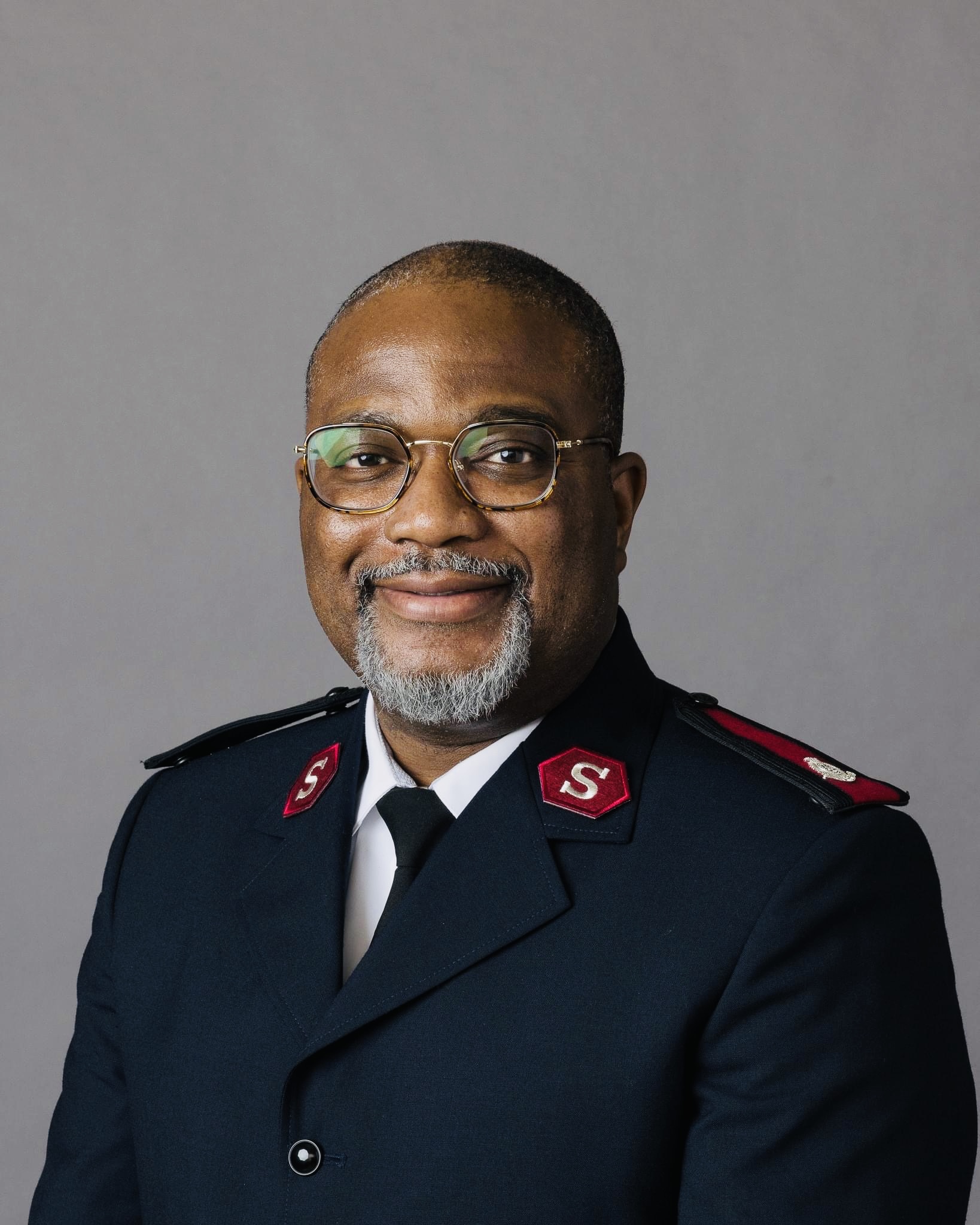
A Conversation with Major (Dr.) Terry Masango, Training Principal, The Salvation Army College for Officer Training at Crestmont, The Salvation Army USA Western Territory.
In recognition of the recent National Salvation Army Week, KEES spoke with Major Terry Masango of The Salvation Army about leadership, hiring, mentorship, and the evolving future of mission-driven talent. His reflections highlight hiring, leadership development, and the evolving future of nonprofit talent.
Beginning July 1, Major Terry Masango will officially assume the role of Territorial Program Secretary for The Salvation Army USA Western Territory, with the rank of Lt. Colonel.
1. What initially drew you to The Salvation Army, and how has your perspective evolved?
His story begins with a legacy. He is a fifth-generation Salvationist raised in a family deeply rooted in The Salvation Army. His early life in Zimbabwe and exposure to the movement’s global presence shaped his identity long before leadership felt like a vocation. Although he once aspired to become a medical doctor, his path shifted through Salvation Army education and a relocation to Spokane.
His first appointment in Renton, WA, confirmed his calling through hands-on service in food banks and community programs. His later partnership with KEES came at a critical time in 2021, when he served as Divisional Secretary for Business. During a period marked by workforce shortages and hiring challenges, partnering with KEES became an important part of maintaining leadership continuity. “We needed the help. It was a time when people were reluctant to enter the workforce, and demand was extremely high. Engaging KEES was very important for us.”
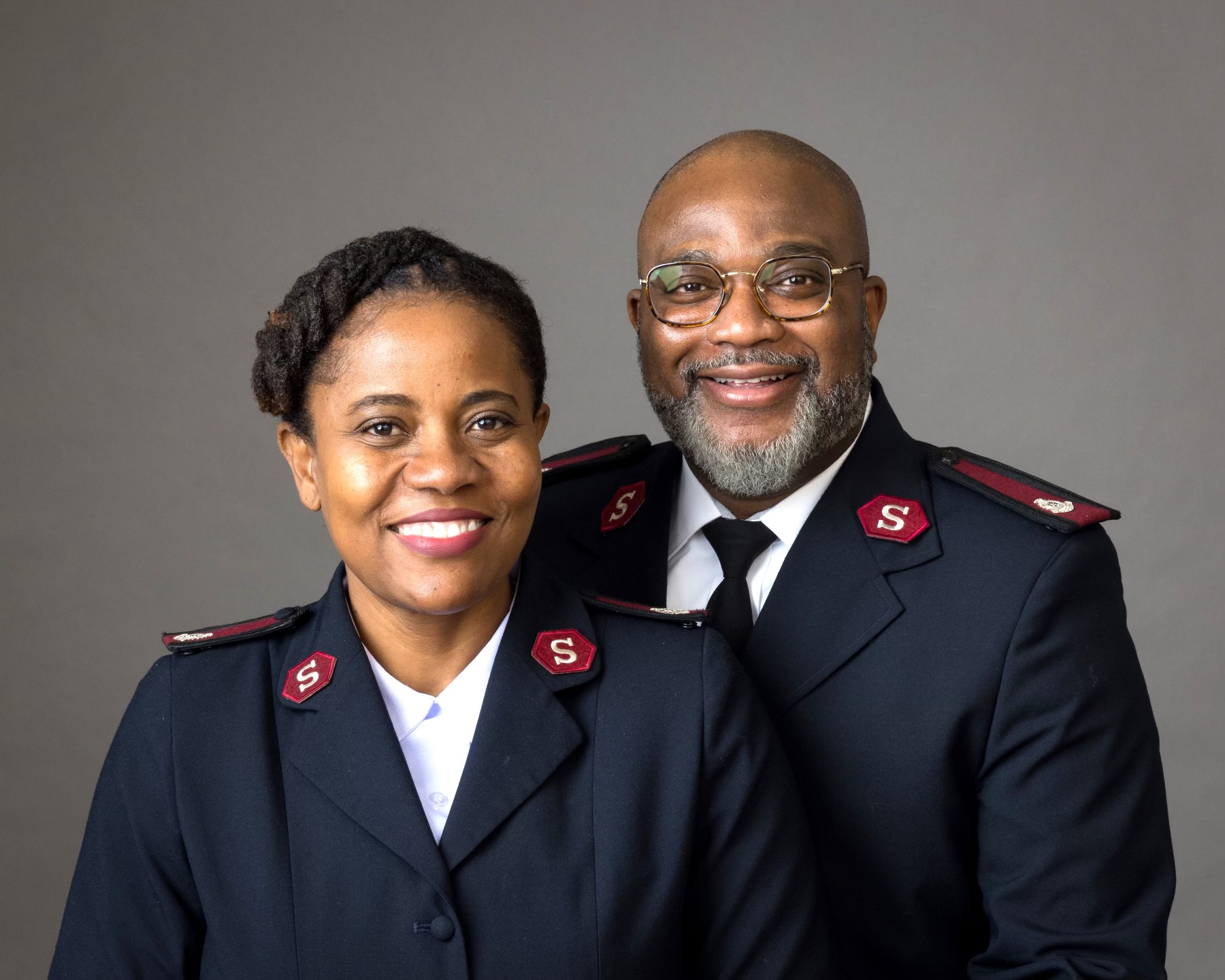
(Pictured Majors Terry and Rutendo Masango)
2. What qualities matter most when hiring mission-driven leaders?
For Masango, character outweighs credentials, as he prioritizes integrity, values alignment, reliability, consistency, and a genuine willingness to serve.
Technical skills can be taught, but values cannot. One interview question he often uses is, “Why are people poor?” The answer reveals worldview, empathy, and approach to serving others.
3. What workforce trends are you seeing?
He sees a generation driven by purpose over pay, with younger professionals seeking meaningful work that creates visible impact. People are looking for meaningful work, not just a paycheck.
At the same time, he observes growing pressure across multiple levels of leadership. Artificial intelligence continues to be a major challenge, not only for younger workers but also for senior leaders, who are asking whether they can keep pace with change and remain effective in an evolving environment. Many senior leaders are also wrestling with broader economic concerns, including retirement readiness, investment decisions, and increased attention to benefits such as 401(k) structures and matching programs, topics that were not as central to conversations just a few years ago.
He also notes that AI is reshaping education and formation. Students are increasingly challenged in areas such as writing and critical thinking, which is leading educators to rethink outcomes and assignments. In response, there is a growing shift toward in-class learning, collaborative work, and alternative assessments that better measure understanding and reduce overreliance on long-form take-home writing.
4. How has mentorship shaped your leadership?
Mentorship is intentional and shared. Rather than relying on one mentor, he builds an “advisory board” that includes a retired Salvation Army leader, external mentors, and younger leaders he also mentors, creating ongoing learning in both directions.
5. What stands out as a key accomplishment?
He highlights both personal and professional milestones. On a personal level, he reflects on initially wanting to become a medical doctor. That path did not unfold traditionally, but after coming to the United States and being supported by The Salvation Army, he was able to complete his AA, BA, Master’s Degree, and Doctoral Degree. “To me, it’s one of those personal accomplishments that I was still able to become a doctor. My family and my background don’t line up with where I ended up. My parents didn’t own a home. I had the drive to do this. I wanted to be a doctor, and I am today.” He also reflects on how closely his work connects to lived experience, having experienced poverty and homelessness growing up in Zimbabwe, which informs his leadership today.
Professionally, he points to a $42–62 million Pasadena project that integrated a multi-story facility, a food distribution center, and 65 units of affordable housing.
6. What advice do you give emerging leaders?
His advice is to find a mentor early, practice patience with yourself and others, protect yourself from burnout, and define your “true north.” He recalls a moment of physical exhaustion that reinforced the importance of rest and boundaries. He adds, “My faith is my true north. It keeps me grounded. I read the Bible. I go to church. Find out what that is for you. Don’t just go with the wind wherever it takes you. Have your true north.”
Closing Reflection & Future of Talent
Major Terry Masango’s reflections point to a consistent theme. Mission-driven organizations are strengthened when they expand opportunity, address unconscious bias, and invest in potential. He emphasizes that individuals are often overlooked not for a lack of ability, but for a lack of opportunity. He reflects, “People gave me opportunities based on potential, not what I had already done, and then I was able to prove what I could do.”
He also highlights his doctoral research on female leadership within The Salvation Army, underscoring the importance of widening access, strengthening equitable pathways, and ensuring leadership better reflects the communities it serves. He notes, “In Fortune 500 companies, the number of female leaders remains low,” and expresses a desire to see that number increase while also creating more opportunities for women in leadership roles.
These insights reflect the realities facing mission-driven organizations today, including change, complexity, and the need for values-based leadership that develops people as intentionally as it directs mission.
At KEES, these conversations reflect the importance of thoughtful partnership in strengthening nonprofit leadership pipelines and supporting organizations like The Salvation Army as they navigate growth, change, and long-term mission sustainability.
To learn more about The Salvation Army USA Western Territory, visit: The Salvation Army